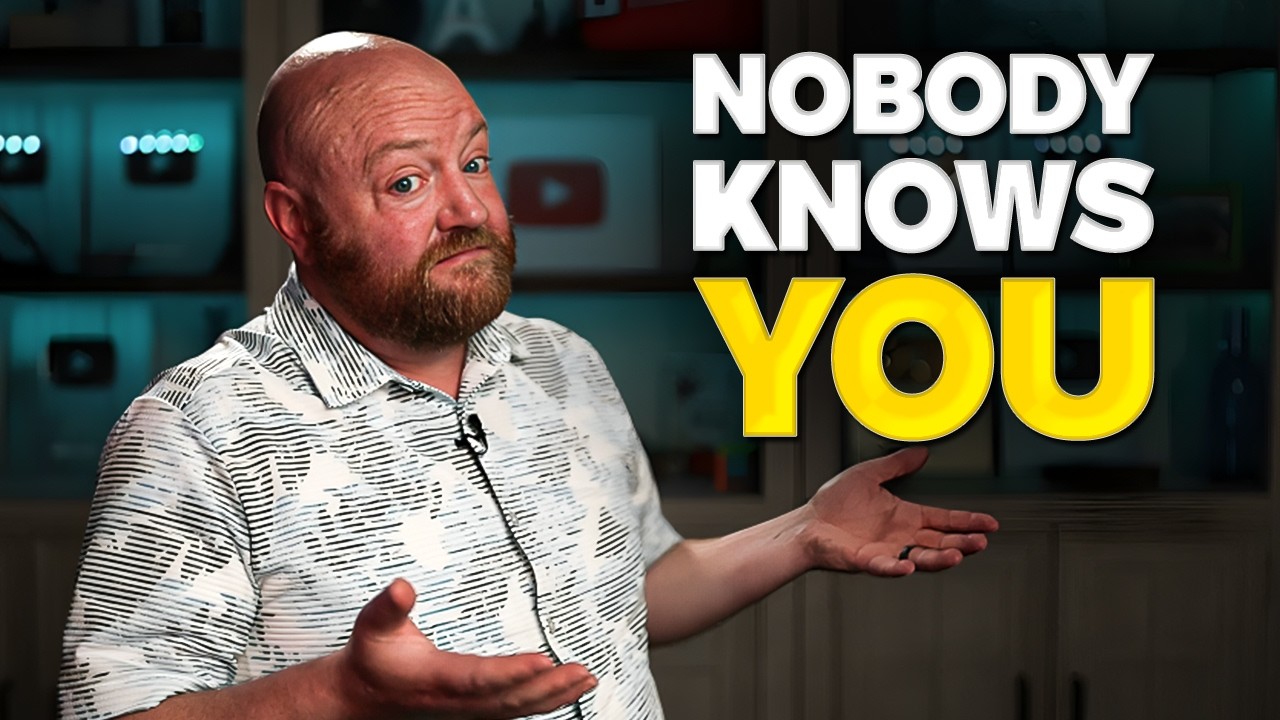
Expertise cannot help people who never discover it. You may have years of experience, proven frameworks, and meaningful client results. Your next client still needs a way to find you.
Findability connects what you know with the people who need it. Search makes that connection possible at the moment someone actively seeks an answer.
The Real Test of Your Visibility
Imagine someone with the exact problem you solve. They have never heard your name. They have no connection to your professional network.
Can they find your expertise through the questions they ask online?
This test reveals a gap that credentials and reputation alone cannot close. Recognition within your network does not necessarily make you discoverable beyond it.
Start With Existing Demand
A common personal branding strategy starts with building a following. Monetization comes later.
A search-led approach begins with people who already need help. Their questions provide a starting point for useful content.
Instead of choosing topics solely for broad appeal, identify the problems your ideal clients are trying to solve. Create answers that demonstrate your understanding of those problems.
The goal is a relevant audience with a clear reason to value your expertise. A large following is optional.
Why Search Creates a Different Connection
Advertising, viral content, and search can all introduce you to new people. Each creates a different discovery experience.
- Advertising: Places your message in front of a selected audience through paid distribution.
- Viral content: Spreads through audience interest and sharing, often beyond your intended market.
- Search: Connects your answer with someone actively looking for help on that subject.
Search provides valuable context for the introduction. The person arrives with a question. Your content gives them an opportunity to assess your expertise through a useful answer.
Build Trust Through Related Answers
One helpful answer can create an introduction. Consistently useful answers can build recognition.
A potential client might discover your video through one question. A later search may lead them to another answer from you. Each relevant encounter gives them more evidence of your knowledge and approach.
This is the practical value of developing a focused content category. Coverage across related questions helps people encounter your expertise throughout their research.
You do not need visibility everywhere. You need visibility where your ideal clients seek answers.
Research Questions Before Creating Content
Question research gives content a clearer purpose before production begins. It helps establish whether people are seeking an answer and whether those people fit your business.
For each potential topic, consider:
- Who is likely asking this question?
- What situation or challenge does it reveal?
- Does it connect to a problem you can solve?
- What useful detail is missing from existing answers?
Specific questions often reveal more context. That context supports a more precise answer for a more clearly defined audience.
Focus on Answers Across Platforms
People seek answers through search engines, video platforms, and AI tools. The underlying need remains the same: useful guidance for a particular problem.
A durable content strategy centers on that need. Platform choices should reflect where your intended audience looks for help.
Clear, substantive answers provide a strong foundation. Visibility still depends on each platform’s discovery systems. Publishing an answer does not guarantee rankings or AI recommendations.
Make Expertise Discoverable
Thought leadership rests on genuine expertise, a clear professional identity, and opportunities for discovery. Search strengthens the connection between those elements.
Answering relevant questions creates more entry points into your work. Over time, those answers can support recognition, trust, and qualified inquiries from people who already need your help.