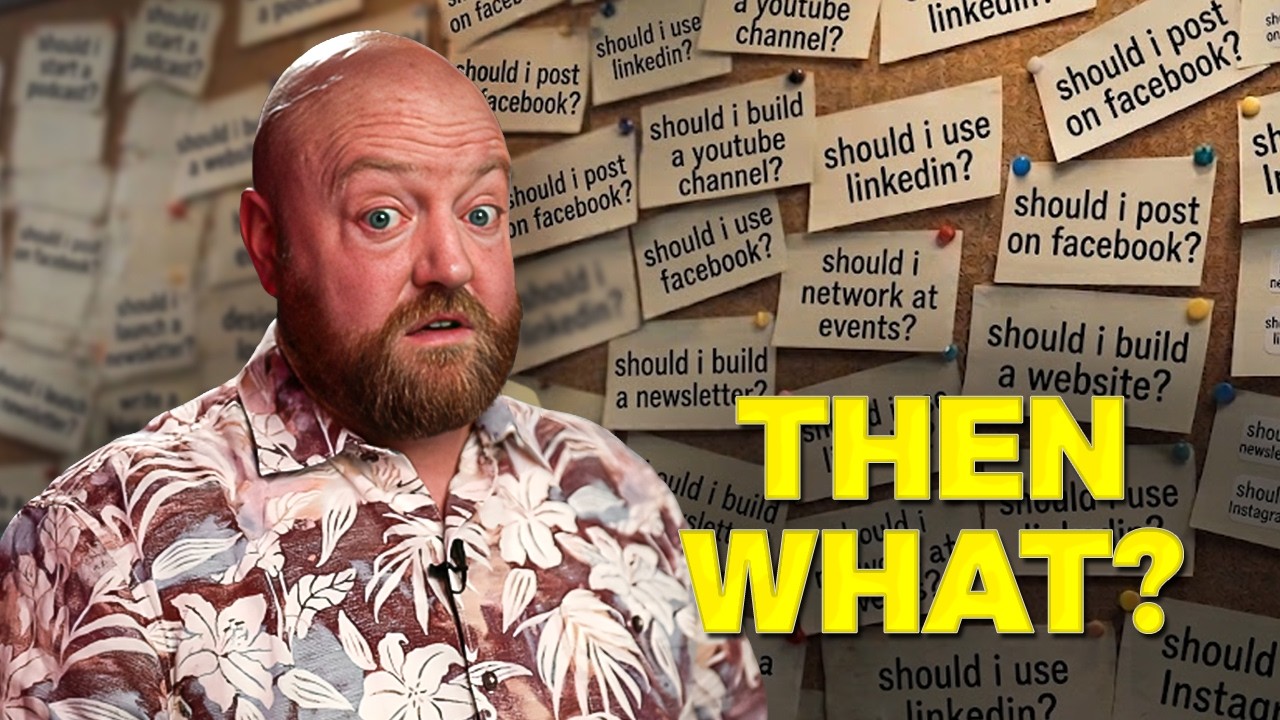
Many experts use social media with the goal of becoming recognized leaders in their industries. They publish content, share insights, highlight success stories, and build audiences. When they see likes, comments, followers, and views increasing, they assume their thought leadership strategy is working.
But there is a critical question that many businesses fail to ask:
Are you nurturing existing relationships, or are you actually marketing to new audiences?
Understanding the difference between these two goals is essential. Many social media platforms are excellent for nurturing people who already know you, but they are not necessarily designed to help new prospects discover your expertise.
A successful thought leadership strategy requires knowing where each platform fits, what type of audience it reaches, and how it contributes to your overall business goals.
Nurturing vs. Marketing: The Foundation of Thought Leadership
Before choosing platforms, it is important to understand the difference between nurturing and marketing.
Nurturing is about strengthening existing relationships. These are people who already know you, follow you, subscribe to your content, or have interacted with your brand.
Nurturing keeps you top of mind. It builds familiarity, trust, and connection over time.
Marketing, however, is about creating new relationships. It helps people who have never heard of you discover your expertise and understand the problems you solve.
Both are valuable, but confusing them can create a major problem. You may believe you are growing your business when you are actually only communicating with the same audience repeatedly.
Likes and engagement can create the appearance of growth, but attention alone does not guarantee leads, authority, or revenue.
Why Most Social Media Platforms Struggle With Thought Leadership Marketing
Most social platforms are built around connection and engagement. That makes them effective for maintaining relationships, but many are not designed for discovery.
True thought leadership requires more than publishing content. It requires being found by people who are actively searching for answers to their problems.
The strongest thought leadership platforms are those where potential clients can discover your expertise when they need it most.
Facebook: Great For Relationships, Weak For Discovery
Facebook can be an excellent nurturing platform. It allows people to stay connected, interact with your content, and communicate through comments and messages.
However, Facebook is not a strong marketing platform for thought leadership because content is difficult to discover through search.
Someone who has never heard of you is unlikely to search Facebook for a solution to a problem and find your expertise. Without paid advertising, your reach is generally limited to people who already know you.
Facebook can help strengthen relationships, but it rarely creates new ones at scale.
Instagram: Engagement Without Deep Trust
Instagram has similar strengths and weaknesses.
It is effective for maintaining attention and sharing quick insights, but short-form content makes it difficult to build deep trust and authority.
One of the biggest mistakes experts make is confusing virality with thought leadership.
A post receiving hundreds of thousands of views may look impressive, but if those viewers are not your ideal audience and do not become clients, the attention has limited business value.
Visibility is not the same as authority.
LinkedIn: Valuable For Professional Relationships
LinkedIn is one of the better platforms for B2B relationship building.
Professionals can share expertise, participate in discussions, and stay connected with their network. It can absolutely support thought leadership nurturing.
However, LinkedIn has become increasingly crowded with promotional posts, sales messages, and automated outreach.
Another challenge is discoverability. Most LinkedIn content is primarily shown to your existing network rather than people actively searching for answers in your category.
LinkedIn can strengthen relationships, but it is not always the best place to build authority with people who have never heard of you.
X (Twitter): Conversation and Visibility
X can be useful for conversations, networking, and staying involved in industry discussions.
However, it functions more like a public relations channel than a thought leadership marketing engine.
It can help people stay connected with your ideas, but it is difficult to use as a platform where new prospects discover your expertise through search.
TikTok and YouTube Shorts: Attention Without Authority
Short-form video platforms can generate incredible reach, but reach does not automatically create thought leadership.
The problem with short-form content is that it often encourages quick consumption. People watch, react, and move on.
Thought leadership requires deeper engagement. It requires enough time and context for someone to understand your ideas, trust your expertise, and see you as a credible resource.
Short-form content can create awareness, but it is often not the strongest foundation for becoming the recognized authority in your industry.
Podcasts: Powerful For Trust, Limited For Discovery
Podcasts are one of the best nurturing tools available.
When someone spends 30 minutes, 45 minutes, or more listening to you, they develop familiarity and trust. Podcasts allow people to understand your personality, your ideas, and your expertise.
However, podcasts are often difficult marketing tools because discovery is limited. Most podcast platforms help people find shows they already know about rather than helping new audiences discover experts based on specific questions.
The greatest value of podcasts is often relationship building. They create opportunities to connect with ideal clients, industry peers, and potential partners.
Email: The Best Nurturing Platform
Email remains one of the strongest nurturing channels because your audience has actively chosen to hear from you.
You control the relationship. You can communicate directly, segment your audience, and provide valuable content over time.
If your goal is strengthening existing relationships, email is one of the most effective tools available.
YouTube: The Most Powerful Thought Leadership Platform
When it comes to building thought leadership, YouTube stands apart because it is searchable.
People do not usually open YouTube looking for random content. They search for answers. They ask questions. They look for solutions.
That creates a completely different relationship dynamic.
Instead of interrupting someone with your message, you appear when they are actively seeking help.
This allows trust to form naturally.
YouTube content is also powerful because it is indexed by search engines. Videos can appear in Google results and increasingly in AI-powered search experiences.
A well-created thought leadership video can continue attracting new prospects months or even years after publication.
Why Combining YouTube With Blogging Creates More Opportunities
A strong YouTube strategy can become even more powerful when combined with written content.
One effective approach is:
- Create a thought leadership video.
- Use the transcript to create a detailed article.
- Embed the video within the blog post.
- Optimize both pieces of content for search.
This creates multiple ways for people to discover your expertise.
The video supports the article, and the article supports the video. Together, they create a stronger digital presence.
Do Not Confuse Content Metrics With Business Results
One of the biggest mistakes experts make is measuring the wrong things.
Followers, views, likes, and subscribers can feel rewarding, but they do not always translate into business growth.
The most important questions are:
- Is your content generating qualified leads?
- Is it building trust with your ideal clients?
- Is it creating sales opportunities?
- Is it positioning you as the authority in your industry?
A smaller audience of the right people is often more valuable than millions of views from people who will never become customers.
The Best Social Media Strategy For Thought Leadership
If you only have a few hours each week to create content, focus on creating valuable thought leadership content rather than chasing trends.
Create content that answers the questions your ideal clients are already asking.
Find out:
- What problems are your clients trying to solve?
- What questions are they searching online?
- What information do they need before making a decision?
Then create content that provides the best answers.
That is how you become discoverable. That is how you build authority. That is how you become the trusted source in your category.
Final Thoughts: Build Thought Leadership Strategically
Social media can be a powerful tool for thought leadership, but only when used strategically.
Some platforms are excellent for nurturing relationships. Others are better for marketing and discovery.
The goal is not simply to post everywhere. The goal is to create content that reaches the right people, answers their questions, and builds trust before a sales conversation ever begins.
Thought leadership is not about chasing attention. It is about becoming the person people turn to when they need answers.