A strong personal brand can completely transform an expert’s business. It can turn someone with valuable knowledge and experience into the recognized authority in their industry.
But building a personal brand that creates real business results is not about posting more often, chasing followers, or trying to become famous overnight.
A successful personal branding strategy requires a clear plan built around three essential elements:
- Thought leader image
- Thought leader messaging
- Thought leader positioning
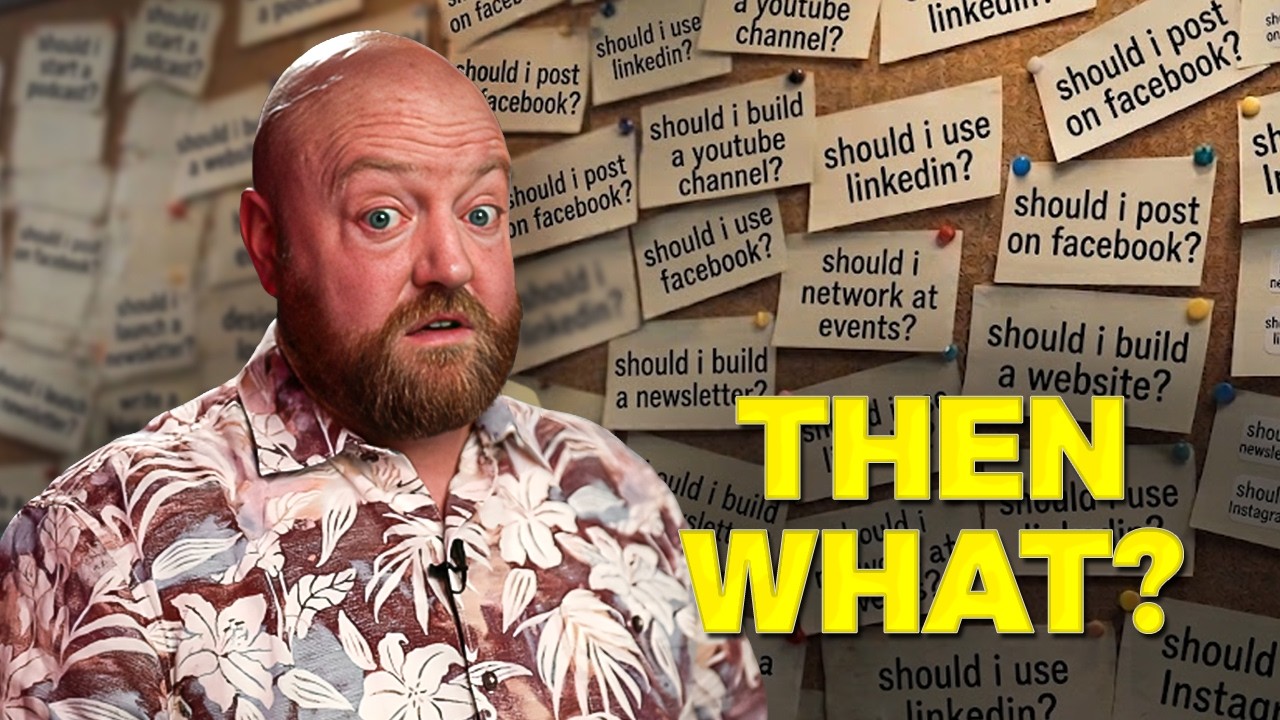
Many people focus on only one of these areas. They improve their website, create content, or promote their expertise, but they miss the bigger picture.
When all three elements work together, you create a personal brand that attracts your ideal clients, builds trust, and positions you as the authority in your category.
The Three Parts Of A Thought Leader Personal Brand
A personal brand designed for thought leadership requires more than visibility. It requires a complete system.
You can have an impressive image without clear messaging. You can have great messaging without being discoverable. You can create valuable content without positioning yourself as the obvious choice.
True thought leadership happens when all three pieces work together.
Part One: Create Your Thought Leader Image
The first part of your personal branding plan is your thought leader image.
This is how people perceive you when they first encounter your brand. It includes:
- Your website
- Your professional photography
- Your logo
- Your colors and fonts
- Your overall visual style
Your image matters because people make judgments quickly. Before someone reads your content, watches your videos, or contacts you, they form an impression based on what they see.
A professional image does not mean creating something flashy. It means creating a brand identity that accurately reflects the level of expertise and value you provide.
How To Build Your Thought Leader Image
The best way to create a strong personal brand image is to study people who are already doing it well.
Look at successful thought leaders in your industry or related industries. Pay attention to:
- How their websites communicate authority
- How their photography represents them
- How their visual identity feels consistent
- How their branding separates them from competitors
Instead of guessing what a professional brand should look like, find examples that represent the type of authority you want to become.
Your action plan for this step is simple:
Identify the professionals you need to hire to create your ideal brand image.
Part Two: Develop Your Thought Leader Messaging
The second part of your personal branding plan is messaging.
This is where many experts struggle because they focus on the wrong things.
Your messaging is not about explaining your process, your framework, or your unique system.
Your system matters. Your expertise matters. Your methodology matters.
But your audience is not primarily interested in your process. They want to know if you understand their problem and whether you can help them achieve the outcome they want.
Focus On The Transformation You Create
Strong thought leader messaging answers two important questions:
- Who do you help?
- What problem do you help them solve?
The goal is to clearly communicate the transformation you create.
Think about your clients’ journey:
- Where are they starting?
- Where do they want to go?
- How do you help them get there?
The strongest personal brands are built around outcomes, not just expertise.
Go Beyond Basic Customer Profiles
Many branding experts focus heavily on demographics and psychographics. They try to define their ideal client by age, location, income, interests, personality traits, and lifestyle.
Those details can be useful, but there is a deeper way to understand your audience.
Study the questions your ideal clients are asking.
This is different from basic keyword research. You are not just looking for industry terms. You are looking for specific questions that reveal someone’s exact problem.
For example, instead of targeting a broad topic like:
“How to become more productive”
You might discover a much more specific question:
“How to improve productivity in a dental office?”
That question reveals much more information. You know the audience, the situation, and the challenge they are trying to solve.
Those questions become the foundation of your thought leadership content.
Part Three: Build Thought Leader Positioning
The third part of your personal branding plan is positioning.
Positioning is about where people find you.
This is the piece that many personal branding strategies overlook.
You can have a great image and excellent messaging, but if nobody discovers you, your brand growth will depend entirely on networking, referrals, advertising, and outreach.
Thought leader positioning means becoming visible wherever your ideal clients are searching for answers.
Own Your Category Through Search
Your goal should be category ownership.
Category ownership means that when someone searches for answers related to your expertise, they repeatedly find you.
They search on Google and discover your articles.
They search YouTube and find your videos.
They use AI tools like ChatGPT to research solutions and your expertise appears in the conversation.
Over time, you become associated with the problem you solve.
You become the trusted expert.
Why Search Is More Powerful Than Traditional Promotion
Many experts build a strong personal brand and then immediately turn to paid advertising.
The problem is that advertising interrupts people.
Even if your content is valuable, people are still being pushed toward it when they were not actively looking for help.
Search works differently.
When someone searches for an answer, they already have a need. They are actively looking for information, guidance, and solutions.
If your content appears at that exact moment, trust begins forming naturally.
Search also creates long-term momentum.
Advertising stops when the budget stops. Networking requires constant effort. Cold outreach requires continuous activity.
But valuable content that ranks in search can continue attracting people month after month and year after year.
The Personal Branding Plan You Can Create In 30 Minutes
You can create the foundation of your personal branding strategy quickly by answering these questions:
1. What Should Your Brand Look Like?
Identify the visual style you want to represent. Find examples of thought leaders whose branding matches your vision, then determine who can help you create that image.
2. Who Do You Help And What Problem Do You Solve?
Define your audience and the transformation you provide. Focus on the outcome, not just your process.
3. Where Do Your Ideal Clients Search For Answers?
Identify the questions your audience asks online and create content that answers those questions better than anyone else.
This becomes your roadmap for building authority.
What Separates Recognized Experts From Everyone Else?
The biggest difference between experts who become industry leaders and those who struggle to get noticed is strategic positioning.
Many people create content, but few create content designed to be discovered.
Many people share expertise, but few become the obvious answer to the questions their clients are asking.
A successful personal brand is not built by simply being visible. It is built by being visible in the right places, with the right message, for the right audience.
Final Thoughts
A personal branding plan does not need to be complicated, but it does need to be complete.
Build your thought leader image so people see your authority.
Create your thought leader messaging so people understand the value you provide.
Develop your thought leader positioning so people can discover you when they need your expertise.
When these three elements work together, you stop chasing attention and start building category ownership.
That is the foundation of becoming the trusted authority in your industry.