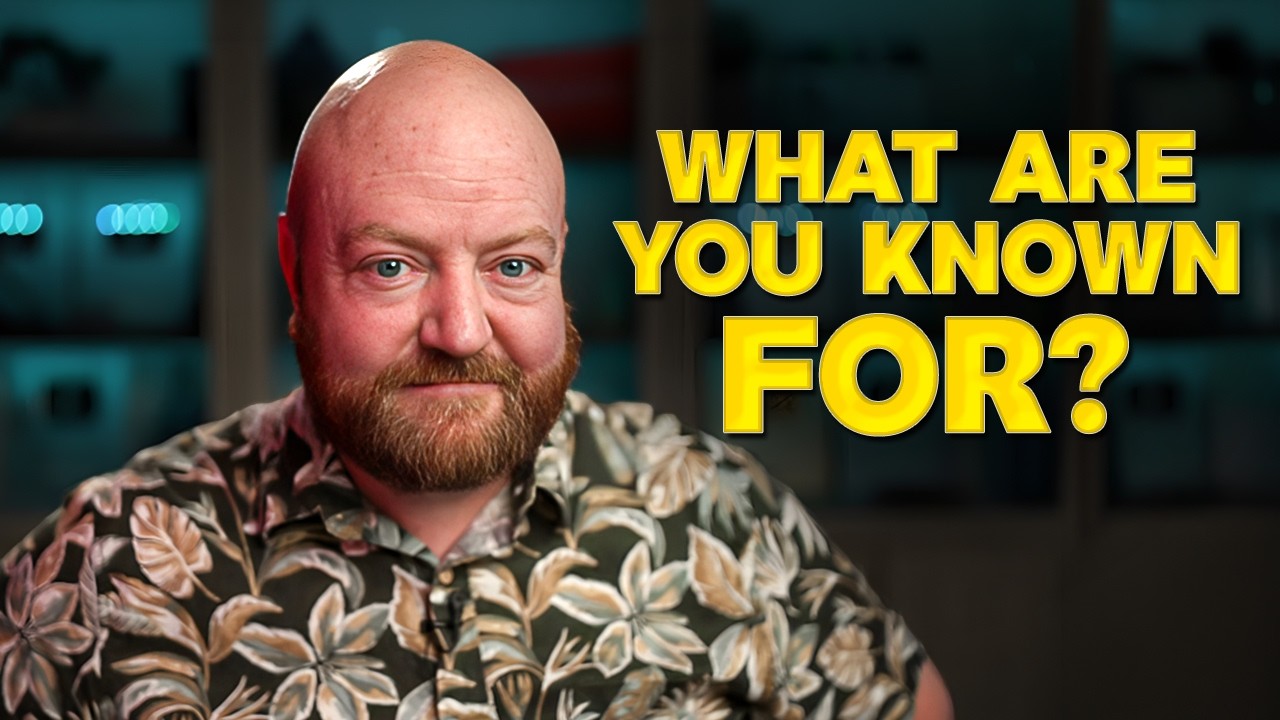
Improving your personal brand starts with clarifying what you want people to associate with your name. Professional photography and a polished website shape first impressions. A clear connection to a specific outcome gives people a reason to remember you.
A strong personal brand makes your expertise recognizable, relevant, and discoverable. These steps help build that connection.
1. Define the Outcome You Help People Achieve
Your audience needs to understand the practical value of your work. Start with three questions:
- Who do you help?
- What problem do they face?
- What outcome do they want?
Describe the transformation in familiar language. For a career coach, that might mean helping dissatisfied professionals find fulfilling work. This gives potential clients a clear basis for recognizing whether your expertise fits their needs.
2. Separate Your Method From the Desired Result
Your philosophy, framework, or personal background may explain why someone chooses you. Those qualities support your positioning. They do not always describe what the client wants to accomplish.
For example, a coach may integrate faith into career guidance. Faith shapes the approach. A meaningful career describes the outcome.
A useful messaging test is to complete the phrase “I want…” from the client’s perspective. “I want a fulfilling career” expresses a recognizable goal. An unfamiliar framework name usually needs further explanation.
Lead with the outcome. Introduce your distinctive method as the explanation for how you help achieve it.
3. Choose a Focused Category
A category gives your personal brand a clear area of association. It connects your expertise with a subject your audience already cares about.
Identify several possible categories within your experience. Compare them through three criteria:
- Expertise: You have relevant experience and evidence of results.
- Audience demand: Your ideal clients actively seek help with the subject.
- Competitive opportunity: Existing content leaves meaningful questions unanswered or poorly addressed.
A focused category makes it easier to communicate your value and develop a coherent body of work.
4. Research the Questions Your Audience Asks
Build your content around real audience needs. Search research and client conversations can reveal the language people use to describe their problems.
Within a category such as fulfilling careers, relevant questions might include:
- How do I find meaningful work?
- Why does my career feel unfulfilling?
- Should I change careers if I am unhappy?
- How do I figure out which career is right for me?
Validate the relevance of these questions before committing to a content plan. Each useful answer creates a potential introduction to your expertise.
5. Examine Competitors at the Question Level
A prominent name may appear dominant across a broad subject. Their coverage of specific questions may still contain gaps.
Review who appears for each relevant query. Assess the quality, depth, and consistency of their answers. A simple spreadsheet can help identify underserved topics.
This analysis supports a more informed choice of focus. It cannot guarantee rankings or establish a fixed timeline for becoming an authority.
6. Publish Useful Answers Consistently
Create focused articles or videos that demonstrate your judgment. Explain your recommendations through examples, practical experience, and relevant limitations.
A connected library of evergreen answers can strengthen the association between your name and your specialty. Keep those resources accurate through periodic updates.
7. Align Your Visual Identity With Your Positioning
Use professional photography, readable design, and a clear website to support your message. Your headline should explain the outcome you help deliver. Your examples should provide evidence of that ability.
Your personal brand becomes stronger when presentation, expertise, and audience needs point toward the same outcome. That alignment gives people a clear understanding of what you do and why your work matters.