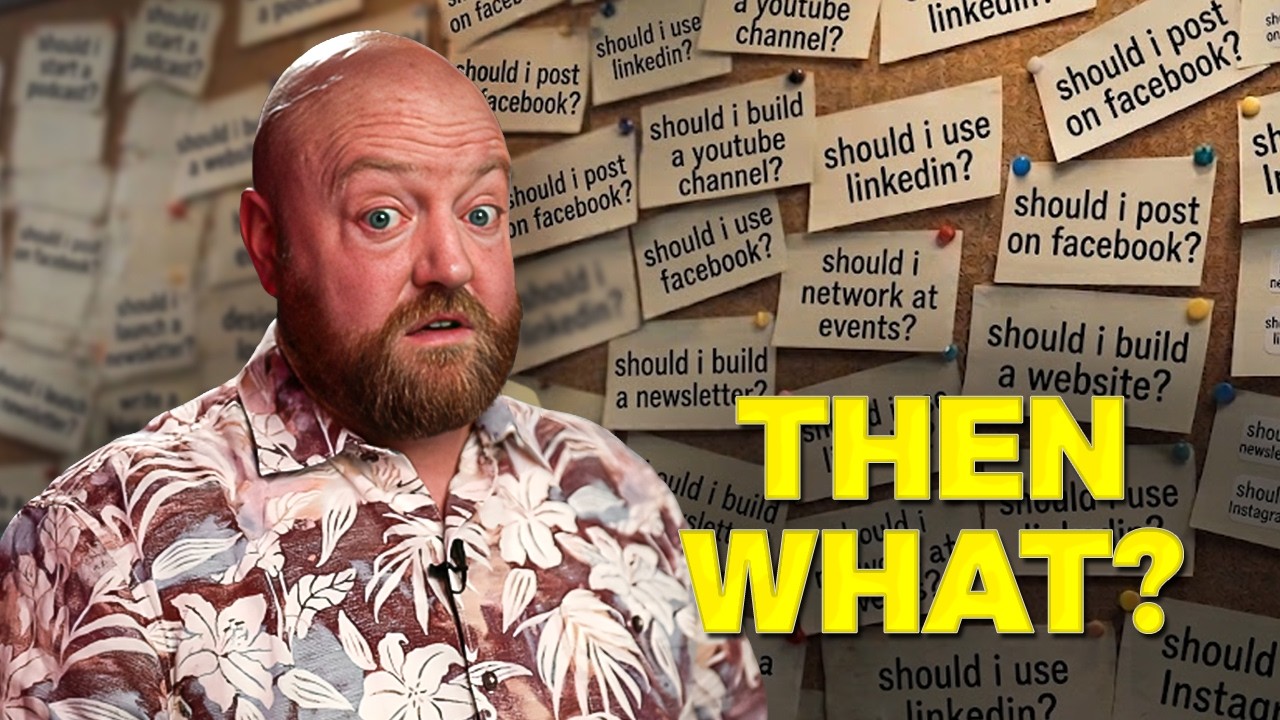
Building a strong personal brand takes more than posting consistently, having professional photos, or maintaining an active social media presence. Many experts invest years into their online presence yet still struggle to attract the right clients or become recognized as an authority.
The problem is often not a lack of effort. It is a lack of strategy.
Here are some of the most common personal branding mistakes and what you can do instead.
1. Treating Social Media as Your Primary Marketing Strategy
Social media can be valuable, but it is important to understand the difference between nurturing and marketing.
Nurturing keeps you connected with people who already know you. Your followers, subscribers, and existing connections see your content and are reminded of your expertise.
Marketing, however, helps people who don’t know you discover you.
If your personal brand relies almost entirely on social media posts, you may repeatedly reach the same audience without significantly expanding your visibility. Create content that can also be discovered through search engines, YouTube, and other platforms where potential clients are actively looking for answers.
2. Focusing Only on Looking Professional
A polished image matters. Professional photography, visual consistency, and a credible appearance can help establish trust.
But looking like an expert is only one part of personal branding.
Your audience also needs to understand what you do, who you help, and what transformation you provide. A great headshot cannot compensate for unclear positioning or confusing communication.
3. Neglecting Your Messaging
One of the biggest personal branding mistakes is failing to communicate your value clearly.
Within a few seconds of encountering your website, profile, or content, a potential client should be able to understand:
- Who you help
- What problem you solve
- What outcome you help people achieve
- What makes your approach different
Don’t make your audience figure out what you do. Clear messaging connects your expertise to the result your ideal client actually wants.
A useful way to clarify your message is to describe the transformation: Where is your client before working with you, and where can they be afterward?
4. Creating Content About What You Want to Talk About
Experts naturally want to share their ideas, experiences, and opinions. But effective personal branding starts with the audience—not the creator.
Ask yourself:
- What problems does my ideal client have?
- What questions are they asking?
- What words do they use to describe their problems?
- What information are they searching for?
Let those questions guide your content.
This approach also creates valuable evergreen content. Instead of chasing every trend or current event, you build resources that can continue attracting the right people over time.
5. Building a Brand Without a Discoverability Strategy
Your ideal clients are already searching for information online. They may use Google, YouTube, ChatGPT, or other platforms to find answers to specific questions.
That creates an opportunity: become the expert who answers the questions your ideal clients are already asking.
Research the specific problems and questions your audience searches for, then create useful content that directly addresses them. This turns your expertise into discoverable assets that can bring the right people to your brand.
6. Going Too Broad With Your Positioning
Another common mistake is trying to create content about everything within your industry.
Think of your market as a tree. The trunk represents your overall industry. The branches represent specific categories or areas of expertise. The leaves represent individual questions and problems people are searching for.
Creating content around individual questions is useful, but randomly choosing questions from every branch can leave your brand unfocused.
Instead, identify the branch you are best positioned to dominate.
Look for the category that aligns with your expertise, attracts your ideal clients, supports your business model, and gives you the strongest opportunity to become known for something specific.
How to Build a Stronger Personal Brand
Effective personal branding is not simply about being visible. It is about being visible to the right people for the right reasons.
A strong personal brand combines three essential elements:
- Clear positioning: Establish yourself as an expert in a specific area.
- Strong messaging: Communicate who you help and the transformation you provide.
- Discoverable content: Answer the questions your ideal clients are already asking.
When these elements work together, your content does more than keep you visible. It helps people discover you, understand your value, and recognize you as a potential authority in your category.
Final Thoughts
The biggest personal branding mistakes are often strategic rather than creative. Posting more frequently will not necessarily solve unclear messaging. Better photos will not fix weak positioning. And social media activity alone may not introduce your expertise to people who have never heard of you.
Instead, focus on understanding your ideal clients, identifying the questions they ask, choosing the category you want to own, and communicating your value with clarity.
The goal isn’t simply to build a personal brand. The goal is to become the person people recognize when they need the solution you provide.