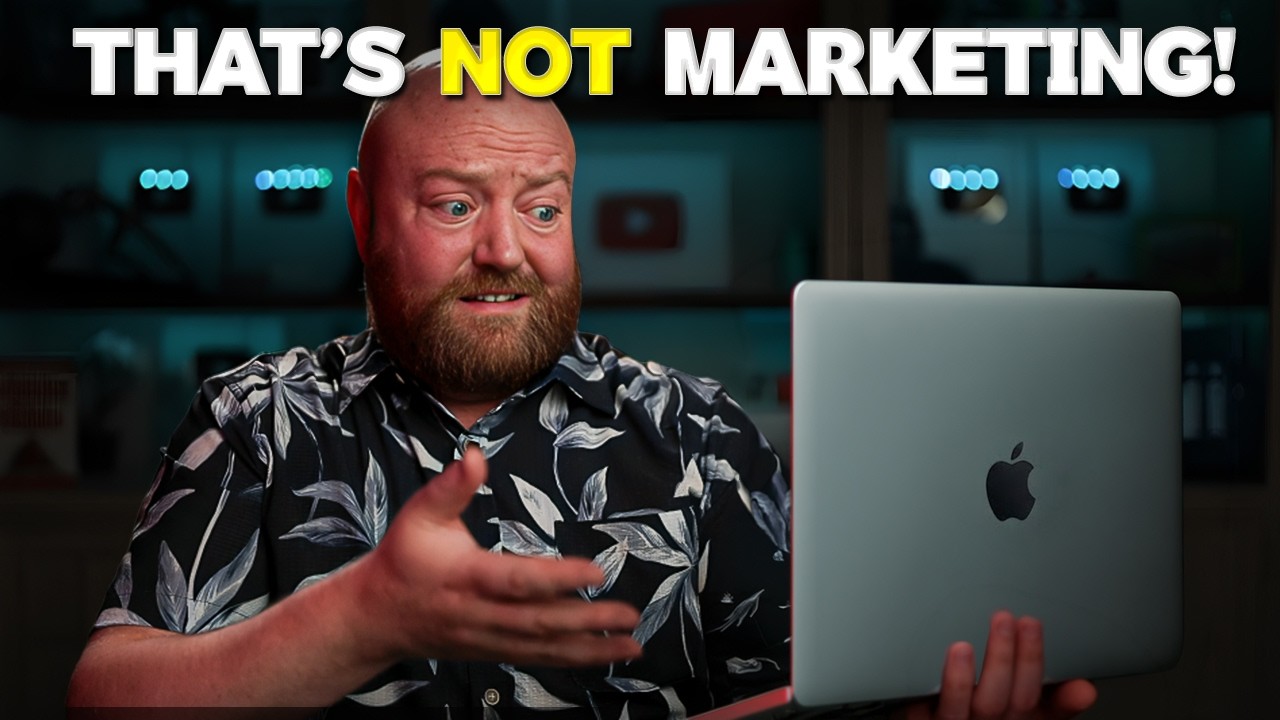
If you are currently looking to hire an SEO consultant based on “SEO scores” or a “backlink strategy,” you need to stop immediately.
That advice is outdated, ineffective, and potentially dangerous for your business. Real SEO in today’s digital landscape is not about tricking an algorithm; it is about building authority and generating leads.
Before you sign a contract, you need to know how to vet a consultant properly so you don’t waste your time or money. Here is exactly what to look for—and the red flags that should make you run.
3 Major Red Flags When Hiring an SEO Consultant
When interviewing potential consultants, listen carefully to their pitch. If they promise any of the following, they are likely using strategies that expired 15 years ago.
Red Flag #1: “We will get you backlinks.”
Backlinks—other websites linking to yours to prove authority—were the gold standard of SEO over a decade ago. Today, search engines are driven by AI.
AI is smart enough to distinguish between false authority (manipulated backlinks) and real authority (valuable content). Furthermore, backlinks have never worked for video platforms like YouTube. If a consultant tells you their primary strategy is link building, they are living in the past.
Red Flag #2: “We will improve your SEO Score.”
Be very wary of consultants who sell you on “scores” from third-party tools (like TubeBuddy or VidIQ for YouTube).
These tools often provide a vanity metric. You can easily tweak a piece of content to get a “100% SEO Score,” yet that content may never show up in search results. A high score does not equal high rankings, and it certainly does not equal revenue.
If the service doesn’t generate leads for your business, you don’t need it.
Red Flag #3: “We will optimize your existing titles and descriptions.”
This is the most common scam in the industry. Consultants will tell you, “You have a treasure trove of content; let me just tweak the titles and descriptions to make them rank.”
This strategy does not work. You cannot take a piece of content that was created without a strategy and “sprinkle” SEO on it after the fact to make it perform.
The “Harrison Ford” Analogy
To understand why you can’t just “optimize” old content, imagine you created a high-budget video on “Improving Productivity.” You hired Steven Spielberg to direct it and Harrison Ford to star in it. It is an amazing video.
However, if you want to rank for the specific search phrase “How to increase productivity in a dental office,” you cannot simply change the title of your Harrison Ford video to match that keyword.
Why? Because Harrison Ford never mentions dentists. The content doesn’t match the user’s specific intent. No amount of keyword stuffing in the title will fix that mismatch.
The New SEO: Strategy Before Creation
Old SEO was about optimizing after creation. Modern SEO is about researching before creation.
You must find the specific questions your dream clients are asking online and create content specifically to answer those questions. When you do this, you don’t need to worry about tags or meta-descriptions.
By creating content that directly answers a search query, you position yourself to rank at the top of:
- YouTube Search
- Google Search
- ChatGPT (and other AI models)
This shift is often referred to as AEO (Answer Engine Optimization).
The Interview Checklist: What to Ask
When you are sitting down with an SEO consultant, here is how you verify if they are the real deal.
1. Ask for Live Rankings, Not Screenshots
Do not accept a screenshot of an “SEO Score.” Ask them to give you specific search terms.
- You: “Tell me what to type into YouTube or Google right now to see your client’s video at the top.”
- If they can’t do that, they haven’t achieved real results.
2. Ask for Revenue and Lead Case Studies
SEO is a means to an end. That end is business growth. Ask for testimonials or case studies that specifically mention lead generation or revenue increases, not just “views” or “traffic.”
3. Ask About Their Tools
If they rely solely on tools that give “scores,” be cautious. Professional consultants often use robust tools like Semrush (specifically the Keyword Magic Tool) to find the specific questions audiences are asking.
4. The “Done-For-You” Reality Check
Can you hire someone to do SEO 100% for you without your involvement? No.
If a consultant claims you don’t need to do anything, that is a red flag. In the world of AEO, you are the expert. You must provide the answers.
A consultant can handle the filming, editing, thumbnail design, and posting strategy, but you must be the star of the show. An AI spokesperson or a generic writer cannot build the relationship required to close high-ticket clients.
Final Thoughts
Real strategy isn’t about gaming the system with backlinks or bought views. It is about Authority Marketing.
When hiring a consultant, ensure they understand that the goal is to position you as the number one authority in your space by answering the specific questions your prospects are typing into the search bar.