The way people search online is changing fast. More and more, people are turning to ChatGPT for answers instead of Google. And if your business isn’t showing up there, you’re practically invisible.
But how do you actually get ChatGPT to recommend your business? Contrary to popular belief, it’s not about luck or waiting for ads to roll out. It’s about understanding how ChatGPT finds and ranks information—and positioning your content so it becomes part of that system.
Let’s bust some myths and uncover how you can get ChatGPT to highlight your brand.
Myth #1: You Have to Wait for ChatGPT Ads
Many business owners assume ChatGPT will eventually introduce paid ads and that’s the only way to get visibility. While that may happen someday, you don’t need to wait.
Just like Google and YouTube, ChatGPT already pulls from high-authority, publicly available content. That means your best opportunity is to create the kind of content ChatGPT already trusts—content that gives clear, accurate answers to people’s real questions.
Myth #2: Having a Website Is Enough
Simply having a website doesn’t mean ChatGPT will notice you. Both Google and ChatGPT are no longer website search engines—they’re content search engines.
They prioritize answers, not static pages. To show up, your site and videos need to solve real problems and respond directly to the kinds of questions your audience is typing into ChatGPT, YouTube, and Google.
Myth #3: You Can’t Influence ChatGPT Results
It might seem impossible to influence AI-driven platforms, but the truth is the same strategies that work on YouTube and Google already work on ChatGPT.
Content that ranks well on YouTube—helpful, question-based videos that demonstrate expertise—tends to appear in ChatGPT’s recommendations too. Why? Because ChatGPT uses data from trusted, indexed platforms.
Myth #4: Going Viral Will Make You Visible
Viral Facebook or Instagram posts might boost your ego—but they don’t make you searchable. ChatGPT can’t access or index social content.
The platforms that matter are those that are indexed—primarily YouTube and Google. That’s where your answers need to live if you want ChatGPT to notice.
What ChatGPT Actually Recommends
ChatGPT tends to reference three main sources:
- Amazon – because it solves problems through products.
- Wikipedia – because it provides structured, factual answers.
- YouTube – because it’s filled with searchable, instructional content.
That third one is your opportunity. When you create educational YouTube videos that answer specific questions your audience asks, you’re giving ChatGPT the content it needs to recommend you.
Real Example: Ranking Through Relevant Content
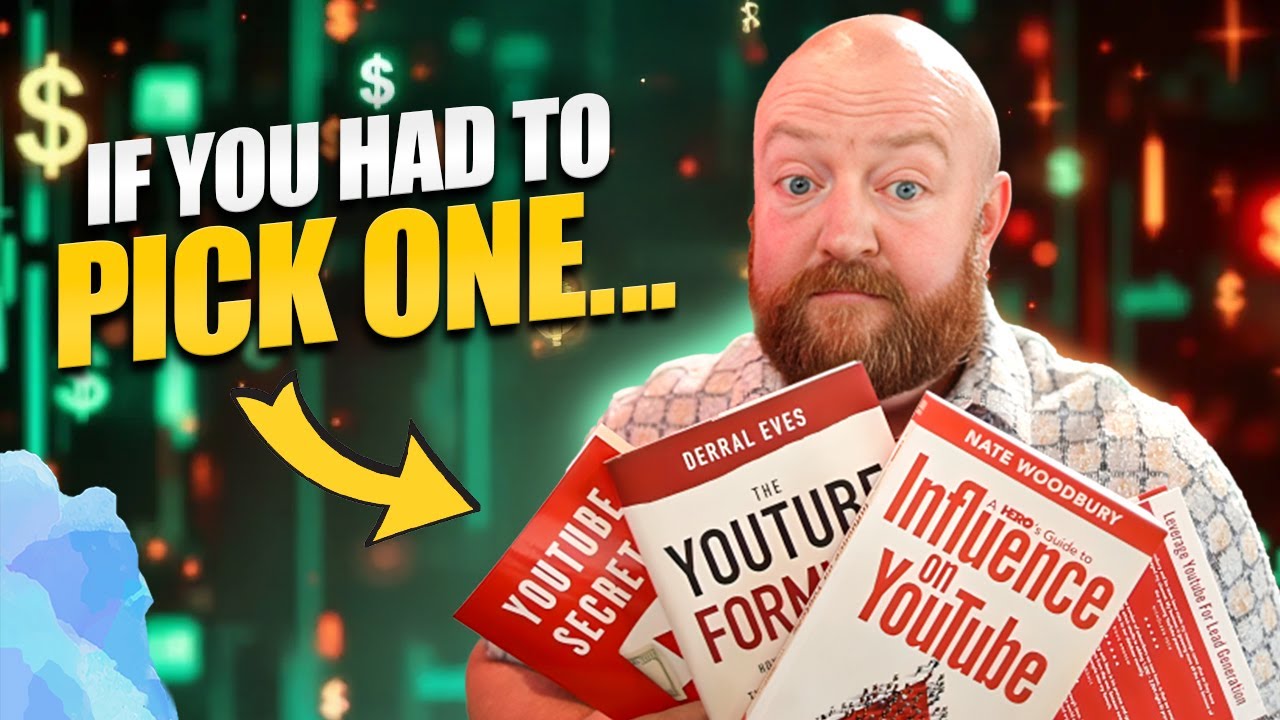
One business owner in Australia was researching YouTube strategy through AI tools. ChatGPT mentioned not only Derral Eves—a well-known YouTube expert—but also Nate Woodbury, because his videos clearly answered related questions.
That’s the power of having the right content in the right place. Your content can literally put your name in the same sentence as industry leaders.
How to Get ChatGPT to Recommend You
- Create searchable YouTube videos that answer specific, high-intent questions.
- Repurpose your transcripts into blog posts—embed your video and publish the article below it.
- Optimize for clarity and expertise so ChatGPT knows exactly who your content helps and how.
- Research what your ideal clients are asking ChatGPT, then build videos and blogs that answer those questions.
The goal isn’t to trick ChatGPT—it’s to make your content so relevant and useful that ChatGPT wants to recommend it.
The Next Step: Learn the Leaf Strategy
If you want to dominate search results—on YouTube, Google, and even ChatGPT—watch the next episode: The Leaf Strategy: How to Rank #1 on YouTube.
This is the method that helps creators position their videos for long-term visibility across every major platform.