Becoming a thought leader in consulting starts with making your expertise discoverable. Potential clients need opportunities to understand your approach before deciding whether to hire you.
A useful strategy connects three things: a focused specialty, the questions your ideal clients ask, and substantive answers grounded in your experience.
Build on Demonstrated Expertise
Your consulting work provides the foundation for thought leadership. Client engagements teach you what works, where common approaches fail, and which circumstances require a different solution.
That experience belongs in your content. Practical examples and clear reasoning help potential clients evaluate your judgment.
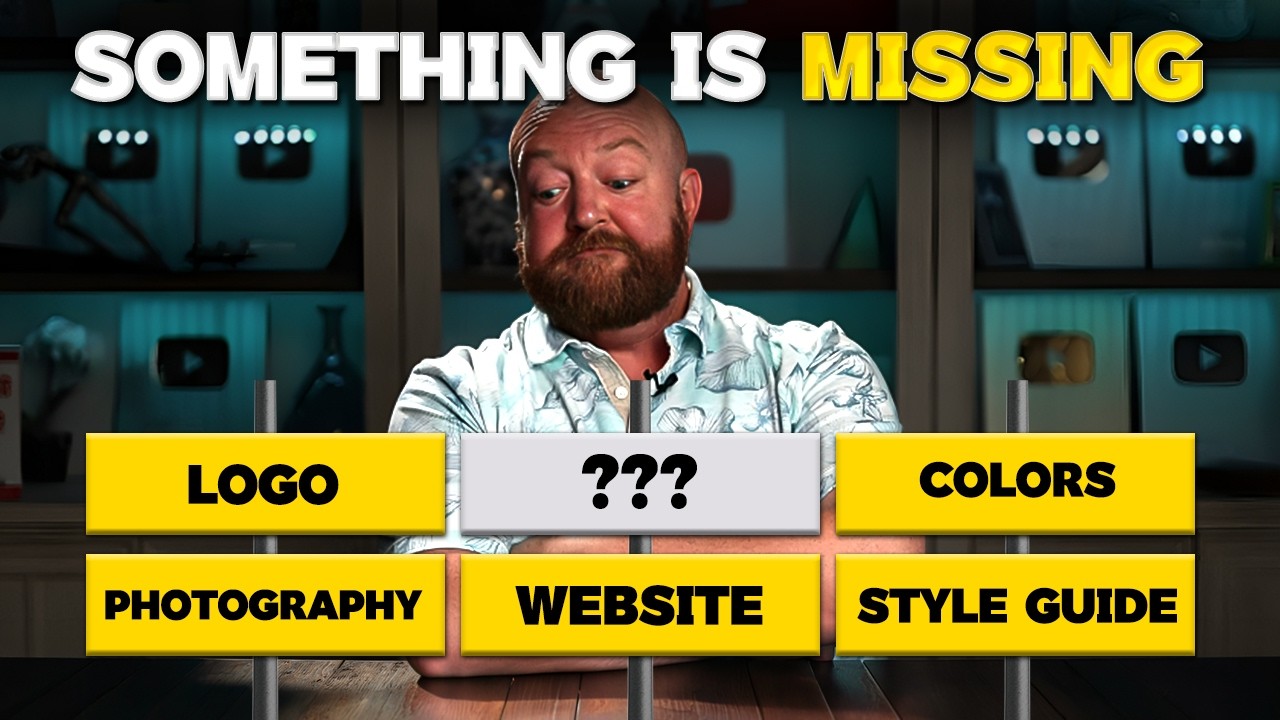
A polished website, professional photography, and strong testimonials support credibility. A discovery strategy creates paths for new prospects to encounter those assets.
Choose a Specific Consulting Category
“Business consulting” covers too much ground for a focused content strategy. Even “sales consulting” can leave your audience unclear about your specialty.
A narrower category, such as sales script development for a particular industry, creates a clearer connection between your expertise and a buyer’s problem.
Evaluate potential categories against four criteria:
- Experience: You have helped clients achieve relevant results.
- Client need: The problem matters to the businesses you serve.
- Search behavior: Prospective clients research questions about the subject.
- Competitive opportunity: Existing answers leave room for a stronger contribution.
Competitive research can reveal promising opportunities. It cannot guarantee rankings or recommendations.
Turn Client Questions Into a Content Roadmap
Start with the questions clients ask during consultations, sales conversations, and project delivery. Use search research to expand and prioritize that list.
Look for specific questions that reveal a situation or obstacle. “How do we train experienced salespeople on a new sales process?” provides more direction than a broad topic such as “sales training.”
A category containing 50 worthwhile questions could support nearly a year of weekly videos. Each piece would address a defined need within the same specialty.
Prioritize relevance and usefulness over publishing volume. Every answer should make a meaningful contribution.
Make Your Content Feel Like a Consulting Conversation
Imagine one ideal client asking you a question on a video call. Explain your answer with the same care you would bring to that conversation.
Strong consulting content includes:
- A direct answer to the question.
- A framework for understanding the problem.
- Examples from relevant experience.
- Common mistakes and their consequences.
- Exceptions that could change your recommendation.
- Practical next steps.
Video gives viewers a chance to hear your reasoning and observe your communication style. Your content becomes a sample of how you approach their challenges.
Build Depth Across Related Questions
One useful answer can introduce your expertise. A connected collection of answers gives prospective clients more opportunities to assess it.
Someone may discover you through a narrow implementation question. A later search could lead them to your explanation of a related problem. Repeated helpful encounters can strengthen recognition within your specialty.
Search engines and AI tools may become part of that discovery path. Your goal is consistent visibility across relevant questions, supported by content that earns the reader’s trust.
Connect Discovery to Qualified Inquiries
Interested prospects need a clear place to evaluate your services. Your website should explain who you help, how you work, and what your track record demonstrates.
Relevant case studies and testimonials can reinforce the expertise they experienced through your content.
Measure progress through relevant search traffic, visibility across priority questions, and qualified inquiries. Ask prospects how they found you and which content influenced their decision.
Thought leadership becomes commercially valuable when the right people discover your expertise and recognize its relevance to their situation. For a consultant, that creates a stronger foundation for the first client conversation.