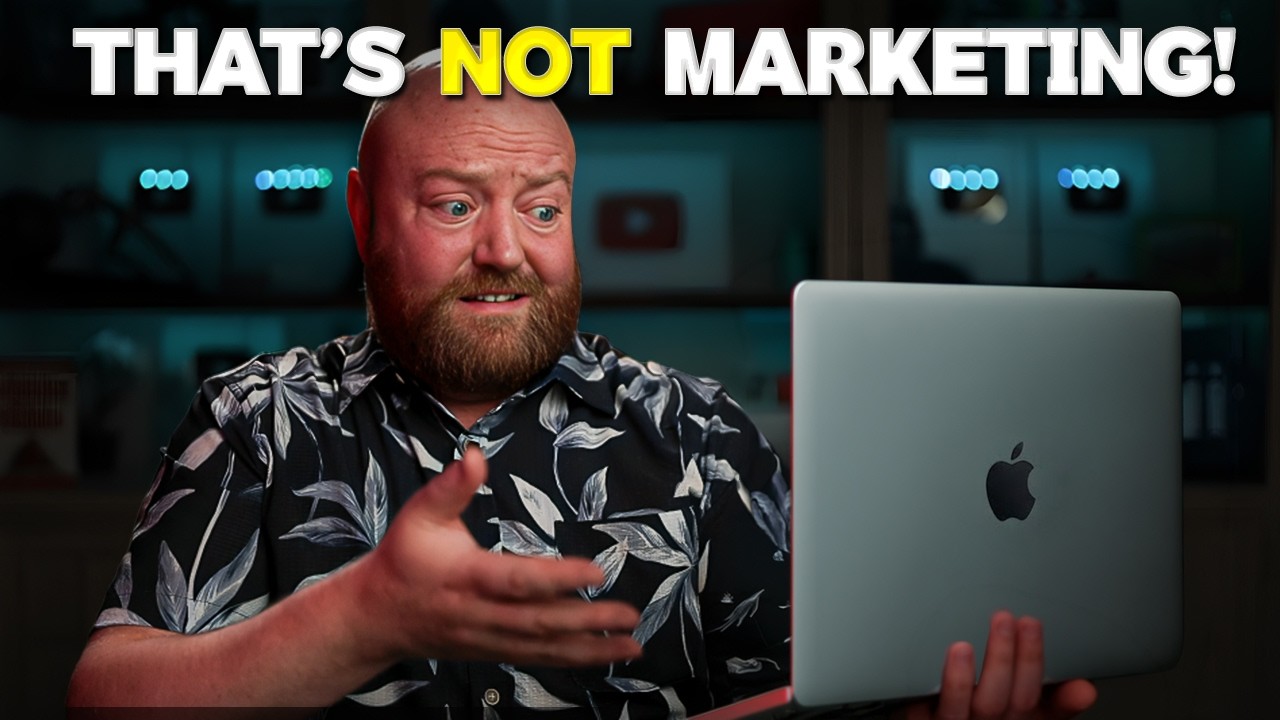
Thought leadership has become one of the most popular goals in modern marketing. Experts publish insightful content, write books, appear in the media, build audiences, and chase visibility—all in the hope of becoming a thought leader.
But there’s a problem: doing thought-leadership activities doesn’t necessarily make you a thought leader.
PR, books, social media followers, virality, and fame can all increase your visibility. None of them, by themselves, create thought leadership.
True thought leadership is about something much more valuable: being found, trusted, and followed because your ideas help people achieve meaningful results.
PR Doesn’t Create Thought Leadership
Being featured in publications such as Forbes, Entrepreneur, or CNBC can be incredibly valuable. Media exposure builds visibility and credibility.
But PR doesn’t automatically make someone a thought leader. More often, established thought leaders attract PR opportunities because they’ve already developed authority.
Think of PR as a spotlight. It can illuminate an authority, but it doesn’t create the authority itself.
The goal isn’t to get one media feature that launches your career. It’s to build the kind of expertise that makes media opportunities increasingly natural.
A Book Demonstrates Expertise—but Doesn’t Complete the Journey
Writing a book is another powerful credibility signal. It demonstrates knowledge, experience, and ideas worth sharing. It can open doors and become an important business asset.
But a book primarily educates. It doesn’t necessarily create transformation.
A reader may understand your principles, yet still struggle to apply them to their specific situation. A book can’t observe their challenges, identify their weaknesses, or adjust the advice based on their circumstances.
That’s where a deeper level of expertise comes in: coaching, consulting, and helping people implement ideas to achieve results.
Education transfers knowledge. Transformation helps people use that knowledge successfully.
Social Media Is Often Nurturing, Not Marketing
Posting valuable content on social media is worthwhile. It can strengthen relationships, reinforce your expertise, and keep you top of mind with an existing audience.
But there’s an important distinction: nurturing an audience is not the same as becoming discoverable to a new audience.
Most social media content is shown primarily to people who already follow, know, or interact with you. You’re strengthening an existing relationship rather than necessarily reaching people who have never heard of you.
True thought leadership needs another layer: searchable content that puts your expertise in front of people precisely when they need it.
The Most Valuable Moment Is When Someone Needs Your Help
Imagine someone has a problem they can’t solve. They search Google, YouTube, or an AI tool for an answer.
That moment is incredibly valuable.
They aren’t casually scrolling. They’re actively looking for expertise. They have a problem, a goal, or a decision to make—and they’re looking for someone they can trust.
If your content answers their question, you have an opportunity to become that trusted expert.
This is why thought leadership content should not live exclusively on social media. It should also be discoverable through search, where people who need your expertise can find you for the first time.
Followers Aren’t the Same as Thought Leadership
A large following can be impressive, but the size of an audience doesn’t tell you why people follow someone.
People might follow you because you’re entertaining, funny, inspirational, controversial, or simply interesting.
Those audiences can be valuable, but they’re not necessarily evidence of thought leadership.
The more important question is:
What are your followers following you for?
If they follow because they trust your expertise and want to apply what you teach, that’s a much stronger indicator of authority than follower count alone.
Virality Can Attract the Wrong Audience
Going viral feels like success because the numbers are undeniable: more views, more followers, and more attention.
But virality can create a dangerous mismatch between your audience and your business.
Suppose a video goes viral because it’s entertaining. You may suddenly gain thousands of followers who want more entertainment. When you publish your next highly specialized piece of content for your ideal clients, those new followers may ignore it.
Now you’ve built an audience that doesn’t necessarily want what your business sells.
Virality is valuable when your business depends on attention. It can be counterproductive when your business depends on trust and qualified leads.
Fame and Thought Leadership Are Different
Being famous doesn’t automatically make someone an authority.
Thought leaders are known for their ideas and the results those ideas produce. Their reputation comes from people trusting their thinking and successfully applying their principles.
Someone can be famous for entertainment, sports, acting, or another field without having earned credibility in a completely unrelated subject.
Visibility is not the same as authority.
Thought Leadership Isn’t Simply Having Good Ideas
This is perhaps the biggest misconception.
Thought leadership isn’t about having thoughts. Everyone has thoughts. Many people have brilliant ideas.
The real question is:
- Do your ideas solve meaningful problems?
- Do they inspire people to take action?
- Can people apply them to move from where they are to where they want to be?
- Do people achieve better outcomes because of your guidance?
A thought leader doesn’t simply produce ideas. They create change through those ideas.
A Better Definition of Thought Leadership
Thought leadership happens when people who need your expertise can find you, trust you, and experience transformation because of your guidance.
That definition changes how you should approach building authority.
You don’t need to become famous to everyone. You need to become known and trusted by the people you are uniquely qualified to help.
You don’t need the biggest audience. You need the right audience.
You don’t need a viral hit. You need content that consistently helps the right people solve important problems.
And you don’t need to simply share more ideas. You need to demonstrate that your ideas work.
The Real Path to Thought Leadership
PR, books, social media, followers, and viral content can all support your authority-building strategy. But none should be mistaken for thought leadership itself.
The foundation is much simpler:
- Develop meaningful expertise.
- Identify the problems your ideal clients need to solve.
- Create content that answers those problems.
- Make that content discoverable when people are searching for help.
- Help people successfully implement what you teach.
- Build a track record of transformation.
Over time, those actions create something that visibility alone never can: earned authority.
The world doesn’t need more people with good ideas. It needs experts who know how to turn those ideas into meaningful outcomes for others.
That’s what thought leadership really is: not simply being known, but being found, trusted, and capable of creating positive change.