If your dream clients are searching online right now and they’re not finding you, you don’t have a content problem—you have a positioning problem. This applies to coaches, consultants, and fractional executives who have real expertise but feel invisible. If you want more reach, more leads, and to become the go-to name in your space, this is where to focus.
What Defines a True Thought Leader
A thought leader is someone with real expertise who is positioned everywhere their dream clients are already looking. It’s not about credentials or accolades—it’s about category ownership.
When someone searches for a topic on platforms like YouTube, Google, or AI tools and sees the same person repeatedly, something shifts. That person becomes the default authority. Instead of questioning credibility, the audience assumes expertise.
You can be highly skilled, but if people don’t find you, they won’t hire you. On the other hand, when you show up consistently, people come to you with trust already established.
Understanding Positioning
Many people feel like top experts in their industry are untouchable. But behind the scenes, there’s a clear path to getting there. It’s not random or based on luck—it’s systematic.
Most people are told to post constantly or chase viral content. While that keeps them busy, it doesn’t position them. Without positioning, even great branding, messaging, and offers underperform.
Positioning is the foundation. Without it, growth stays limited and inconsistent.
The Real Problem Holding You Back
Most people confuse nurturing with marketing. Posting on social media mainly reaches people who already know you. That’s nurturing, not growth.
True marketing gets you in front of new people who are actively looking for help. There are only three ways to do that:
- Going viral (unpredictable and inconsistent)
- Paid ads (interruptive and lower trust)
- Search-based content (high intent and high trust)
Search-based content is the only one that consistently compounds over time.
Why Positioning Is Everything
Many creators produce content based on what they feel like saying. This leads to guesswork and inconsistent results.
Instead, effective positioning comes from identifying what your audience is already searching for. By answering those questions directly, you create a predictable path to visibility.
This approach allows you to fill gaps in your niche and gradually dominate your category. Over time, your content compounds and builds authority across platforms.
Social Media vs. Search-Based Marketing
Social media content is short-lived. It may get attention briefly, but it quickly disappears and stops generating results.
Search-based content works differently. It remains discoverable for years, continues attracting viewers, and increases in value over time.
Instead of constantly creating new posts, search-based content builds a long-term stream of visibility and leads.
Why YouTube Is the Most Powerful Platform
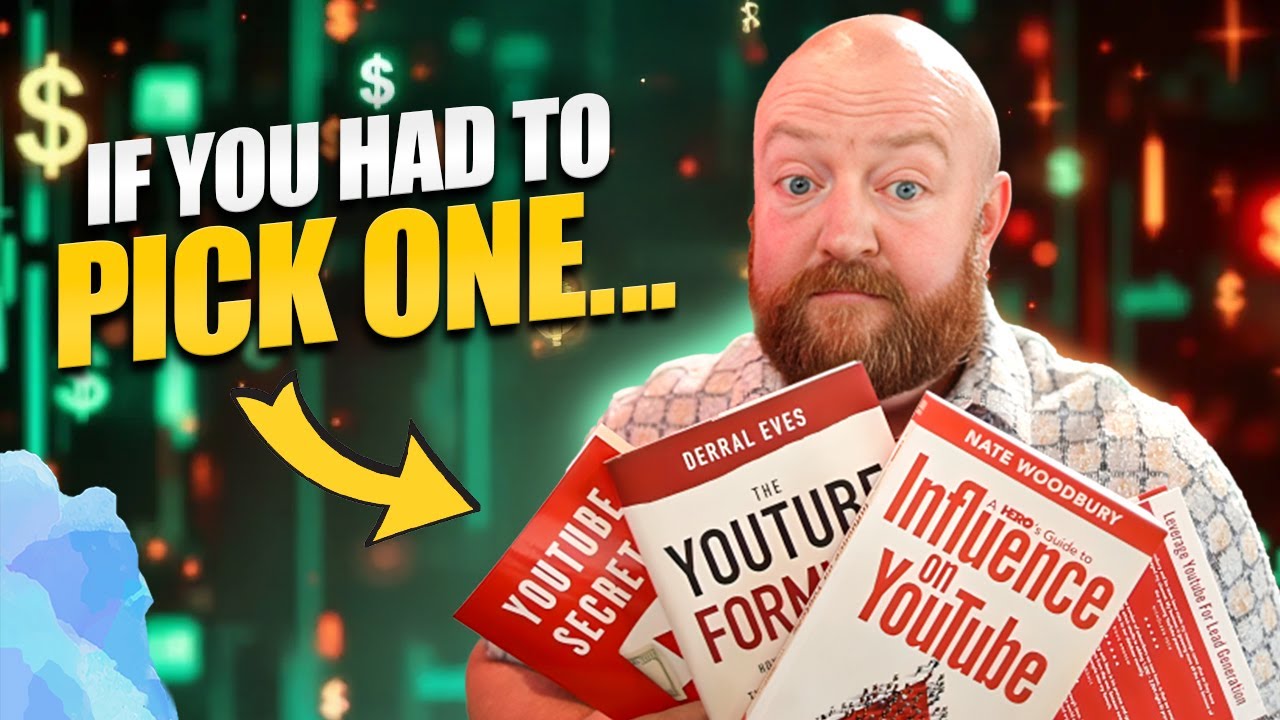
YouTube stands out because its content is indexed and searchable by topic. When someone types in a question, YouTube surfaces the best answer.
This makes YouTube content discoverable long after it’s published. It also integrates with Google and AI tools, increasing your visibility across multiple platforms.
Maximizing Impact with a Blog
You can amplify results by pairing YouTube videos with blog posts. Start by creating a video that answers a specific question. Then:
- Take the video transcript
- Convert it into a written article
- Embed the video at the top of the blog page
This allows both your video and your blog to rank in search results, increasing your overall reach.
Is LinkedIn Actually Positioning?
LinkedIn can generate leads, but it primarily functions as a networking tool rather than a positioning platform. It relies on outreach and ongoing effort rather than scalable discovery.
If LinkedIn is working for you, continue using it. Just understand that it doesn’t provide the same long-term visibility as search-based platforms.
Why This Approach Is a Trap
Going viral can actually hurt your positioning by attracting the wrong audience. This confuses algorithms and makes it harder for your ideal audience to find you.
Posting constantly can also become a trap. Activity alone doesn’t produce results—strategy does. If your content isn’t searchable, it won’t build long-term value.
What Happens When You Do This Right
When you focus on search-based positioning:
- You stop chasing leads
- Leads start finding you
- Your credibility is established automatically
- Your business grows more predictably
Instead of competing for attention, you become the authority people trust by default.
A Simple Execution Plan
- Identify the questions your ideal clients are asking
- Create one piece of content per question
- Publish those answers on YouTube
- Repurpose each video into a blog post
- Repeat consistently
The goal is simple: create the best answers to real questions. When you do that consistently, you position yourself as the go-to authority in your space.